- Mar 13, 2026
- Earl DeMatas
- 0
Have you ever wondered what’s more important—how you get results or the results themselves? Steven Lorini, CM, Marketing Professor & Program Coordinator at Humber Polytechnic, believes integrity matters just as much as results. Discover how his journey from sports marketing to education shaped his philosophy that strong marketing is built on curiosity, collaboration, and critical thinking.
National Standard for Excellence
The Chartered Marketer (CM) program helps establish marketing as a clear, national standard for excellence, ethics, strategy, and leadership. Marketing has evolved far beyond tactics and precio kamagra espana execution; it now plays a strategic role in organizational growth, culture, and decision-making. The CM designation reinforces that shift by recognizing marketers who demonstrate technical competence, accountability, strategic thinking, and a commitment to continuous learning. In an increasingly complex and fast-moving environment, the CM helps elevate trust in the profession and signals to employers, clients, and students that marketing is a disciplined, impact-driven business function.
Sports, Stories, and Strategy
My interest in marketing began as early as Grade 11, when I took a Sports and Celebrity Marketing course and learned how industries like sports and entertainment rely on marketing to build brands, engage audiences, and drive business outcomes. Through my college education, it became clear that marketing — with its blend of creativity, strategy, and human behaviour — was where I excelled. Early experiences in sports and entertainment marketing showed me the power of storytelling, fan engagement, and purpose-driven brand experiences. Over time, that passion expanded into education, where I found meaning in helping students understand how marketing works, and why it matters.
Curiosity Over Tactics
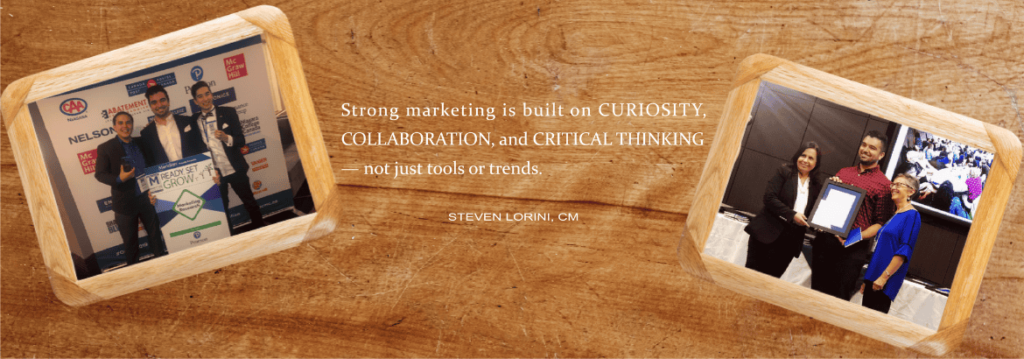
One of the biggest lessons I’ve learned is that strong marketing is built on curiosity, collaboration, and critical thinking — not just tools or trends. Early in my career, I focused heavily on execution and outcomes. Over time, I realized that asking better questions, understanding systems, and listening deeply to audiences and prijzen viagra generiek teams often matters more than having the “perfect” tactic. I also wish I had understood sooner the importance of mentorship and lifelong learning. Marketing changes constantly, and long-term growth comes from staying humble, adaptable, and open to learning from others.
Creative Accountability
One of marketing’s unique challenges is balancing creativity with accountability. Marketers are expected to innovate, tell compelling stories, and build emotional connections — while also demonstrating measurable impact and return on investment. The pace of change adds another layer of complexity, as new platforms, technologies, and consumer expectations emerge constantly. There is also a perception challenge, where marketing can be misunderstood as purely tactical rather than strategic. Navigating these pressures requires marketers to be strong communicators, data-informed decision-makers, and ethical leaders who can advocate for the long-term value of marketing within their organizations.

Teaching and Learning
Staying current requires intentional learning and active engagement with both industry and education. I prioritize continuous professional development through certifications, industry research, and involvement in professional communities like the Canadian Marketing Association. Teaching plays a critical role as well — working with students challenges assumptions, surfaces emerging trends, and requires translating theory into real-world application. I also stay connected to industry through partnerships, competitions, mentorship, and advisory roles. Most importantly, I remain curious. Marketing evolves quickly, and staying relevant means being willing to unlearn, adapt, and experiment.
From Communications to Leadership
The most significant change I’ve seen is marketing’s shift from a communications-focused function to a strategic leadership role. Earlier in my career, success was often measured by reach and visibility. Today, marketing is deeply integrated into business strategy, customer experience, data analytics, and organizational decision-making. Digital and levitra ohne rezept spanien social media have transformed how brands interact with audiences, but the biggest change is expectation — marketers are now expected to be insight-driven, customer-centric, and ethically responsible. This evolution has raised the bar for the profession and reinforced the importance of strong fundamentals and continuous learning.
Leading Through Influence
One of the most challenging aspects of my career has been navigating constant change — whether shifting industries, stepping into leadership roles, or balancing professional practice with teaching and program leadership. Moving from practitioner to educator requires redefining success and learning to lead through influence while supporting others’ growth. Another ongoing challenge has been keeping pace with rapidly changing generational demographics. Understanding consumer behaviour, values, and expectations evolve across generations has required continuous learning and adaptability. Overcoming these challenges has reinforced the importance of resilience, reflection, and principled leadership.

Bridging Theory and Practice
A defining moment in my career was transitioning fully into post-secondary education while remaining deeply connected to industry. That shift clarified my purpose: bridging theory and practice to prepare students for meaningful, impactful careers. Leading academic programs, mentoring students, and supporting experiential learning initiatives reinforced the responsibility educators have in shaping the next generation of marketers. While my time in sports and entertainment marketing was engaging, fun, motivating, formative and fast-paced, teaching has provided a sense of purpose and impact that I value deeply. Earning the CM through the Executive pathway further affirmed that journey.
Human-Centered Innovation
I’m most excited about the continued evolution of data-informed, human-centered marketing. As AI, analytics, and automation become more embedded in marketing workflows, the opportunity lies in using these tools responsibly to enhance insight, creativity, and personalization — not replace critical thinking. I’m particularly interested in how qualitative insight and quantitative data can be combined to create more inclusive, ethical, and meaningful experiences. I’m also curious to see how emerging spaces, such as the metaverse, may open new opportunities for engagement when approached thoughtfully.
Stay Curious, Stay Confident
My advice is to stay curious, stay confident, and never stop learning. Build a strong foundation in strategy and fundamentals but remain adaptable as the profession evolves. Seek out mentors, embrace feedback, and don’t be afraid to take on roles that stretch your comfort zone. Network intentionally and pursue areas you’re genuinely passionate about — there is always a need for thoughtful marketers in emerging and niche spaces. Most importantly, approach marketing with integrity and purpose. How you achieve results matters just as much as the results themselves.
Becoming a Chartered Marketer boosts your credibility and ensures you stay competitive in this evolving field. Download the CM Brochure to learn more about the pathways to becoming a Chartered Marketer program today and take a significant step in your marketing career.